What Will German Certificate Be Like In 100 Years?
Everything You Need to Learn About German Certificates in Austria When transferring to Austria or planning to work, study, or settle there, understanding the function and significance of German language proficiency is important. A German certificate is one of the secret tools that helps people incorporate into Austrian society, meet legal requirements, and attain their objectives. Whether you're pursuing a visa, looking to improve profession prospects, or simply aiming to communicate successfully within the nation, a licensed proof of German efficiency is often necessary. This guide supplies a comprehensive overview of German certificates in Austria, their importance, types, and how to obtain one. Why Is a German Certificate Important in Austria? Austria is a German-speaking country where most everyday activities, professional interactions, and main documentation are performed in the German language. Even though many Austrians speak English, especially in urban areas, having an excellent command of the German language is important for efficient communication and navigating life. Moreover, Austrian authorities typically need evidence of German language skills in scenarios such as: Making an application for a residence visa or citizenship. Registering in Austrian instructional institutions. Accessing specific job opportunities where German is a requirement. Participating in integration courses. German certificates work as globally acknowledged evidence of language proficiency. They permit individuals to display their abilities according to standardized levels specified by the Common European Framework of Reference for Languages (CEFR), which classifies language ability into 6 levels: A1, A2, B1, B2, C1, and C2. Popular Types of German Certificates in Austria There are numerous German language examinations and certifications accepted across Austria. Selecting the right one depends on your specific function. Here's an overview of the most typical ones: 1. ÖSD (Österreichisches Sprachdiplom Deutsch). The ÖSD is Austria's nationwide German language certification. It is recognized internationally for its top quality testing requirements. ÖSD examinations examine language abilities across all levels (A1— C2). These examinations also incorporate content reflective of Austrian culture and language use. It is perfect for those who intend to live, research study, or work in Austria. 2. Goethe-Zertifikat. Offered by the Goethe-Institut, this globally acknowledged accreditation examines German efficiency at all levels (A1— C2). It is commonly acknowledged in Germany, Austria, and other German-speaking countries. The Goethe-Zertifikat is perfect for people seeking evidence of German efficiency for scholastic or expert purposes. 3. TestDaF (Test Deutsch als Fremdsprache). This exam is particularly oriented towards students preparing to attend a German-language university. It covers levels B2 to C1 and focuses on scholastic language skills. While TestDaF is mainly used in Germany, many Austrian universities also accept the qualification. 4. Telc Deutsch. Telc (The European Language Certificates) uses German assessments for all ability levels, with specialized tests for expert and scholastic functions. They include exams tailored for healthcare professionals (nurses, medical professionals, etc) and migrants looking for combination. 5. sprachschule österreich (Integrationsprüfung). The integration exam (level A2 or B1) belongs to Austria's integration agreement for migrants. It combines language and civic integration screening. Passing the combination exam is typically required for house permit renewals or Austrian citizenship applications. Which Certificate Should You Choose? The option of certificate depends on your individual requirements and future strategies. Here's a fast guide:. Residence Permits or Citizenship: ÖSD or Goethe-Zertifikat (A2/B1 level) or the Integration Certificate. Academic Admission: TestDaF, ÖSD Zertifikat C1, or Goethe-Zertifikat C1. Professional Purposes: Telc Deutsch or Goethe-Zertifikat B2/C1, depending upon your field. General Integration: ÖSD Zertifikat or the Integration Certificate. How to Prepare for a German Certificate Exam. Success in a German exam needs preparation and practice. Below are actions to prepare effectively:. Comprehend the Exam Format. Familiarize yourself with the structure of the test, its components (reading, composing, listening, and speaking), and specific requirements. 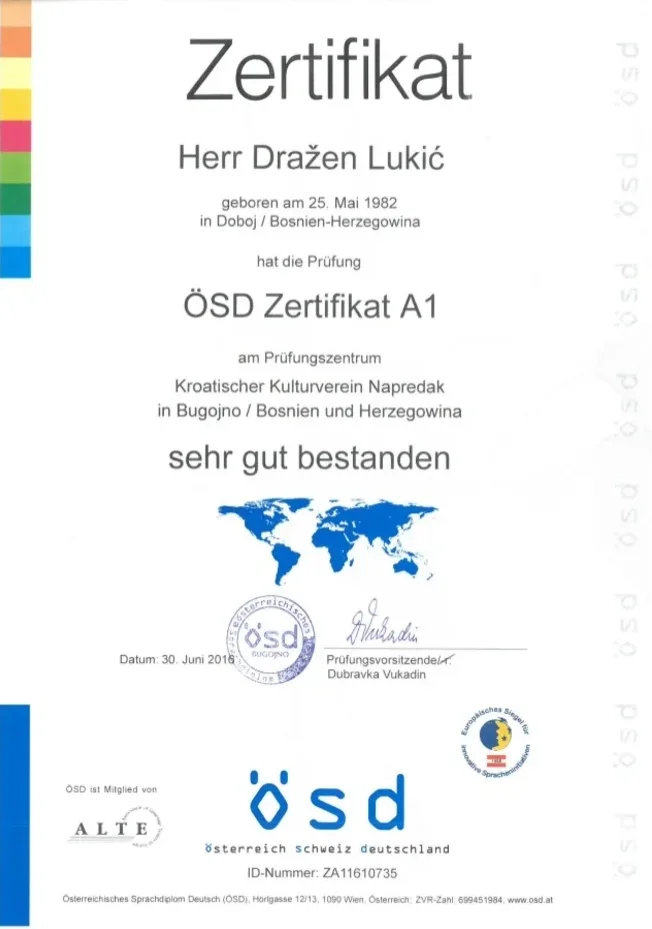 Enroll in a Language Course. Consider enrolling in a German language course at a reputed institute. Numerous Austrian language schools, such as DeutschAkademie or Berlitz Austria, use targeted preparatory classes. Take Practice Tests. Many organizations, including ÖSD, Goethe, and Telc, provide sample tests on their websites. Practicing these will assist you understand time management and determine areas for enhancement. Immerse Yourself in the Language. Engage in day-to-day activities where you use German, such as reading newspapers, watching Austrian television channels, or conversing with locals. Hire a Tutor. A personal tutor can offer individualized training for weak locations and help improve your spoken German. Where Can You Take the Exam in Austria? Austria has many testing centers where you can take German proficiency tests. Here are popular areas:. ÖSD Examination Centers: Available in major cities like Vienna, Salzburg, Innsbruck, and Graz. Goethe-Institut Vienna: Located in the capital, this is Austria's primary center for Goethe-Zertifikat tests. University Language Centers: Many Austrian universities perform TestDaF tests. Telc and Integration Exam Locations: Available through authorized language schools and integration centers. Check individual evaluation providers for an upgraded list of authorized screening places and schedules. Frequently Asked Questions About German Certificates in Austria. 1. Are German certificates gotten in Germany legitimate in Austria? Yes, tests like the Goethe-Zertifikat, TestDaF, and Telc are internationally acknowledged and legitimate in Austria. 2. Do I require a German certificate to obtain Austrian citizenship? Yes, the Austrian citizenship process needs applicants to prove German efficiency at the B1 level, which can be fulfilled by passing an ÖSD or Integration exam. 3. For how long does it require to learn German to a B1 level? The time differs depending upon your commitment and prior knowledge. On average, it takes 6— 12 months of routine research study to reach a B1 level. 4. Are there any totally free resources to prepare for German tests? Yes, many organizations, consisting of Goethe-Institut and ÖSD, provide totally free online resources, sample tests, and study materials. 5. Can I take German efficiency tests online? Some providers, such as Goethe-Institut, now offer online testing choices. Nevertheless, validate with the particular evaluation authority relating to availability and credibility for your requirements. Tips for Success. To guarantee success when pursuing German accreditation in Austria:. Start preparing early and set attainable language goals. Participate in everyday conversations with native speakers. Take benefit of language exchange programs. Usage mobile apps like Duolingo or Babbel to supplement official research studies. Conclusion. Getting a German certificate in Austria is an essential step towards combination, individual advancement, and professional growth. With different alternatives offered, from ÖSD to Goethe-Zertifikat, there's an accreditation suitable for every need. By preparing efficiently, immersing yourself in the language, and utilizing offered resources, you'll be well on your method to accomplishing your goal. Whether it's for moving, studying, or just prospering in Austrian society, showing your proficiency in German is a beneficial financial investment in your future.